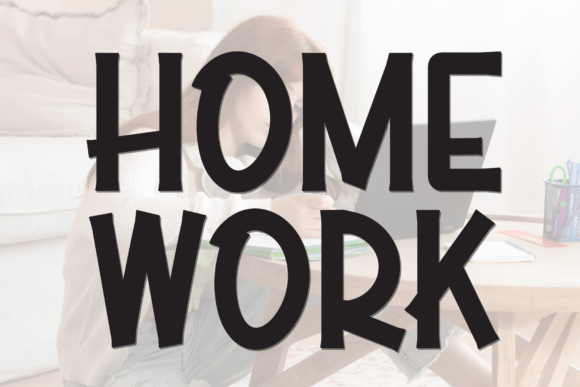
Home Work Font: A Playful Display Typeface for Small Brands
As a small business owner, I know how much time and energy goes into making a brand feel real. Every product label, social media post, packaging detail, and customer-facing material is a chance to connect with the people who matter most to your business. That is exactly why I started paying closer attention to the fonts I use. Home Work is a casual display font that blends modern simplicity with a playful, approachable vibe. Featuring clean shapes, soft edges, and well-balanced letterforms, it captures the charm of relaxed, authentic branding without sacrificing professionalism. When I first tried this display font on a product label, I immediately noticed how it made my packaging feel both personal and polished.
How Home Work Display Font Elevates Product Labels and Packaging
Product labels and packaging are often the first physical touchpoint a customer has with your brand. Home Work is a display font that works beautifully on everything from sticker labels to cardboard boxes. Its soft edges and balanced letterforms make it highly readable even at smaller sizes, which is critical when you are designing ingredients lists, product names, or short descriptions. I used Home Work on a batch of handmade candle labels, and the font gave each jar a warm, handcrafted feel that matched my brand story. If you sell beauty products, bath salts, artisanal food items, or home goods, this font can help your packaging stand out on a shelf or in an online listing without looking overly trendy.
Using Home Work for Logo Design That Feels Approachable and Professional
Your logo is the face of your business, and choosing the right display font is essential. Home Work works well as a primary logo typeface for brands that want to feel friendly and down-to-earth. I redesigned my own logo with Home Work and immediately noticed that it looked less stiff and more inviting on my website header and business cards. The clean shapes ensure your logo remains legible when scaled down for social media profile pictures or printed on small promo items. For a bakery, a kids clothing shop, a wellness coaching practice, or a stationery brand, this font brings a human touch that customers naturally trust.
Home Work for Consistent Branding Across Marketing Materials and Social Media
Consistency is one of the most overlooked aspects of small business branding. When you use the same display font across your website banners, Instagram posts, Pinterest graphics, email headers, and printed flyers, your brand becomes instantly recognizable. Home Work is versatile enough to serve as your primary display typeface across all these platforms. I currently use it for my weekly Instagram story titles, my product feature graphics, and even my thank-you card inserts. The playful yet modern personality of Home Work keeps my content feeling cohesive without being repetitive. For entrepreneurs who manage their own marketing, having one reliable font that works everywhere simplifies the design process significantly.
Why Home Work Font Works for Café Menus, Boutique Signs, and Flyers
Café owners, boutique shop managers, and service providers often need printed materials that feel inviting and easy to read. Home Work is a display font that suits menus, window signs, event flyers, and promotional posters because its soft edges prevent it from feeling harsh or corporate. I helped a friend design a chalkboard-style menu for her coffee shop using Home Work, and customers frequently commented on how friendly the signage looked. If your business runs seasonal promotions, hosts workshops, or relies on in-person foot traffic, this font can make your printed materials feel more approachable while still maintaining a professional structure.
Pairing Home Work Font with a Clean Sans Serif for Balanced Brand Identity
No single font should carry the entire weight of your brand identity. Home Work shines as a headline or accent display font when paired with a clean sans serif font for body text. I pair Home Work with a simple sans serif for my website paragraphs, product descriptions, and email newsletters. The contrast between the playful display type and the neutral body copy creates visual hierarchy and makes your content easier to scan. For small business owners who are not professional designers, this pairing is simple to implement and reliably looks polished. You can even use Home Work as an accent font for pull quotes, section headers, or call-to-action buttons to draw attention without overwhelming the layout.
Readability of Home Work on Mobile Screens and Small Printed Labels
One concern I always have with decorative fonts is whether they will remain readable on small screens or tiny labels. Home Work is a display font that retains its clarity thanks to those clean shapes and well-balanced letterforms. I tested it on a mobile mockup of my online store, and the product titles remained sharp and legible. On small printed labels for sample sizes and sachets, the font still reads clearly without losing its personality. This makes Home Work a practical choice for businesses that sell through Etsy, Amazon, or their own website, where customers often browse on phones.
Testing Home Work Font Before Committing to Full Brand Usage
Before you apply any display font across your entire brand, it is wise to test it in real scenarios. I recommend downloading Home Work and creating a few mockups first. Try it on a product label, a social media graphic, a website header, and a business card. See how it looks in black and white, in color, on light backgrounds, and on dark backgrounds. Home Work tends to perform especially well on light backgrounds where its soft edges stand out. Testing also helps you decide whether this font truly fits the personality of your brand. If your business feels casual, warm, or handmade, Home Work will likely feel right at home.
Checking Commercial Font Licensing for Products, Packaging, and Client Work
As a small business owner, I have learned the hard way that not all fonts can be used freely on products, packaging, or merchandise. Before you use Home Work for commercial purposes, check the commercial font licensing terms carefully. Some display fonts require an extended license if you plan to sell products with the font printed on them, use it for client branding projects, or include it in digital templates. Proper licensing protects your business legally and supports the typeface designer who created Home Work. If you create physical goods, digital downloads, or client deliverables, make sure your license covers those specific use cases.
Home Work for Social Media Content and Digital Ad Campaigns
Social media is a primary way small businesses connect with customers, and your font choices directly affect engagement. Home Work is a display font that adds personality to Instagram posts, Pinterest pins, Facebook ads, and TikTok thumbnails. I use it for quote graphics, product announcements, and sale banners. Its playful vibe resonates especially well with audiences looking for authentic, relatable content. If you run digital ad campaigns, testing Home Work in your headlines and overlays can help your ads feel less generic and more aligned with your brand voice. Consistent use of the same font across your social channels also reinforces brand recognition over time.
Using Home Work as an Accent Typeface for Website Banners and Headers
Your website is your digital storefront, and the display font you choose for your headers and banners sets the tone for the entire browsing experience. Home Work works well as an accent typeface for hero banners, category headings, and promotional callouts. I use it on my homepage for the main headline and on product collection headers. Because the font has such a welcoming feel, it immediately communicates to visitors that my brand is friendly and approachable. For small businesses with limited web design resources, swapping a generic header font for Home Work is a low-effort change that makes a noticeable difference in how professional your site feels.
Home Work for Handmade Product Branding and Boutique Packaging
If you sell handmade or small-batch products, your packaging is part of the product experience. Home Work is a display font that naturally complements the handmade aesthetic. I used it for a line of artisanal soap labels, and the font made each wrapper feel like it was personally lettered. Boutique owners selling candles, skincare, gourmet treats, or prints will find that Home Work enhances the tactile, personal quality of their packaging. Pairing it with natural materials like kraft paper, twine, or simple sticker labels reinforces the relaxed, thoughtful brand image that handmade businesses thrive on.
Why Home Work Font Builds Trust and Recognition with Your Customers
Trust is built through consistency and authenticity. When customers see the same display font on your product packaging, your social media posts, your website, and your business cards, they begin to associate that visual style with your brand. Home Work has a genuine, unpretentious quality that helps customers feel like they are dealing with a real person, not a faceless company. For small business owners who compete against larger retailers, this sense of connection is invaluable. Using Home Work across your brand touchpoints signals that you care about the details and that your business is thoughtfully run.
Home Work as a Creative Font for Seasonal Campaigns and Limited Editions
Seasonal promotions, holiday packaging, and limited-edition products are opportunities to refresh your brand without losing your core identity. Home Work is a creative font that adapts well to themed campaigns. I used it for a winter holiday collection, and the font retained its charm even when paired with festive colors and decorative elements. For Valentine’s Day, Mother’s Day, or summer launches, Home Work provides a consistent base that you can dress up with seasonal graphics. This flexibility saves you from needing a new font for every campaign, which keeps your brand cohesive and your design costs lower.
Practical Advice for Adding Home Work to Your Brand Toolkit
When you add Home Work to your brand toolkit, start by using it in one or two high-visibility places. Try it as your logo font or on your main product label first. See how customers respond and how it feels to work with in your design software. If it fits naturally, gradually expand its use to your website headers, social media templates, and printed materials. This measured approach prevents you from rebranding too quickly and gives you time to confirm that Home Work truly represents your business. For entrepreneurs who value both professionalism and personality, this display font offers a practical, lasting solution.